
Isaac Fravashi argues that through poetry ‘Emin’s applique work builds meaning that is both personal and political’…
… The Confessions of Tracey Emin
Isaac Fravashi argues that through poetry ‘Emin’s applique work builds meaning that is both personal and political’…
… The Confessions of Tracey Emin
Decorating Dissidence’s Jade French and Suzanna Petot talk textiles and The Women’s Art Collection
with curator Naomi Polonsky…
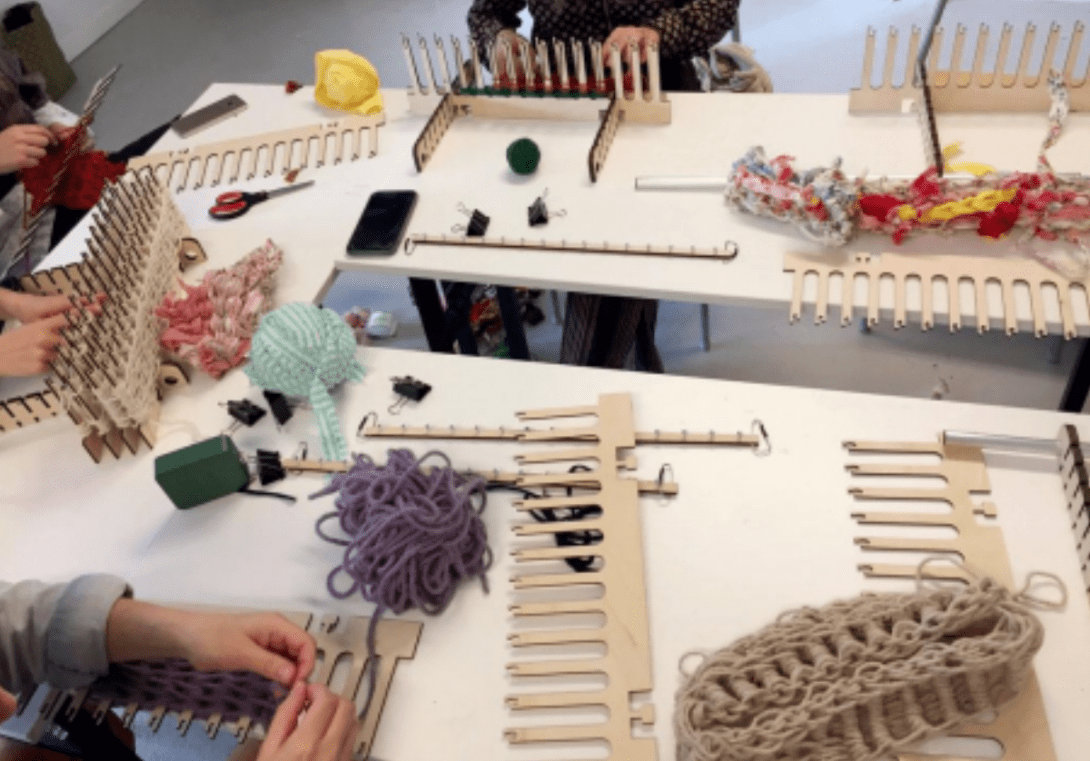
MultiWeave is a textile tool, technique and research project. The textiles that can be made with the tool are characterized by the potential to make sculptural objects. Matilda Dominique and Maja Gunn reflect on using the tool…
… A reflection on the MultiWeave tool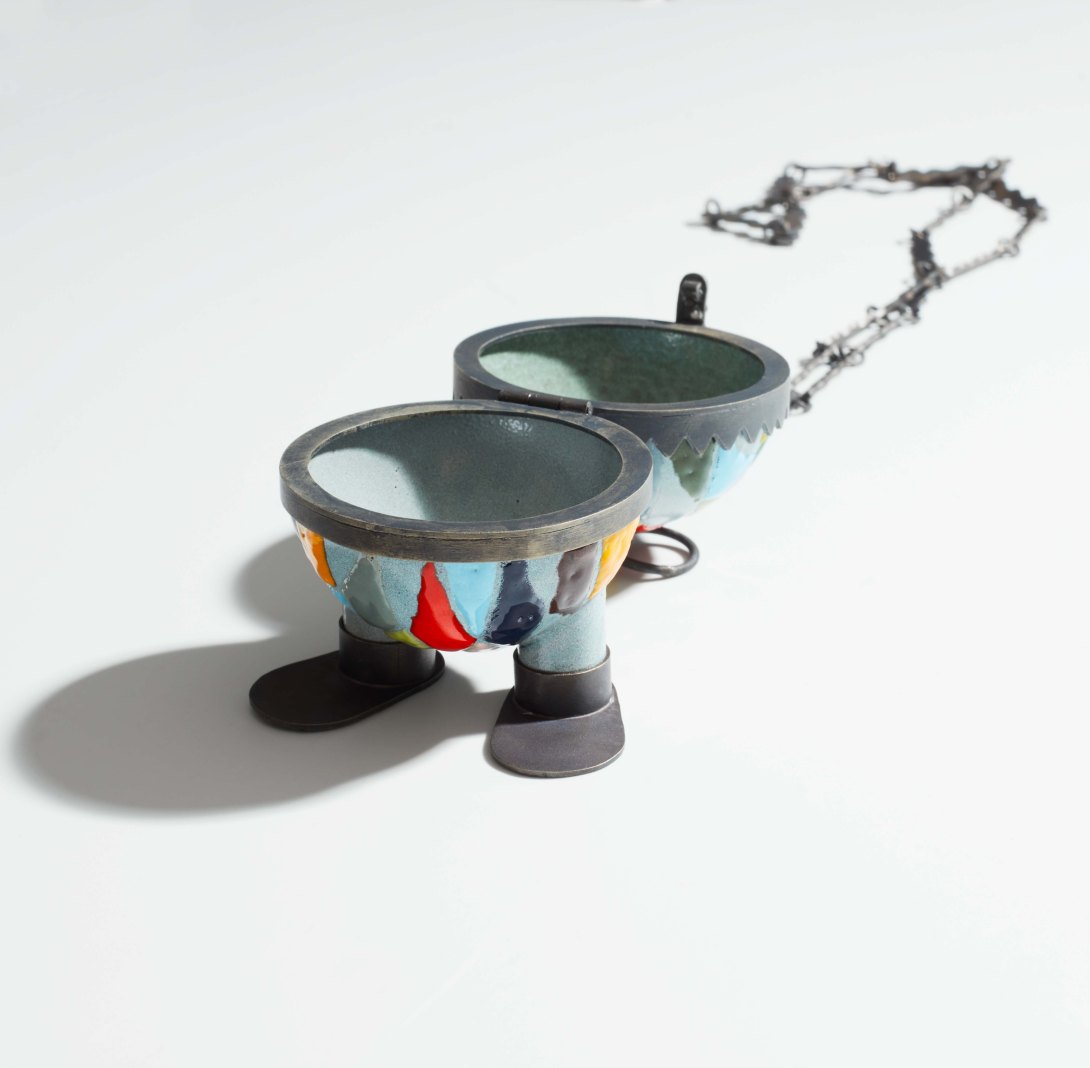
Poetic reflections on making by Aaron Decker
… Poetry: Toys / Stripes / Closet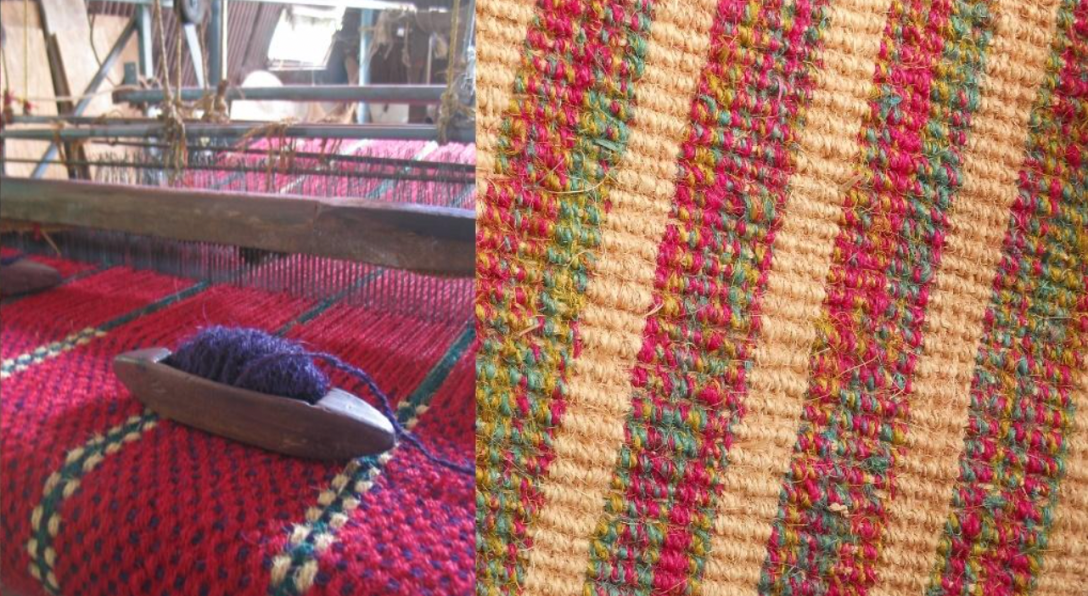
Looking at durrie (flat woven rug) weaving traditions across India, this article by Chandrashekhar Bheda finds an amazing diversity of looms and tools with varied pre-weaving processes, and corresponding ways of working on each of the different looms.
… Weaving through the traditions and techniques of rug-making in India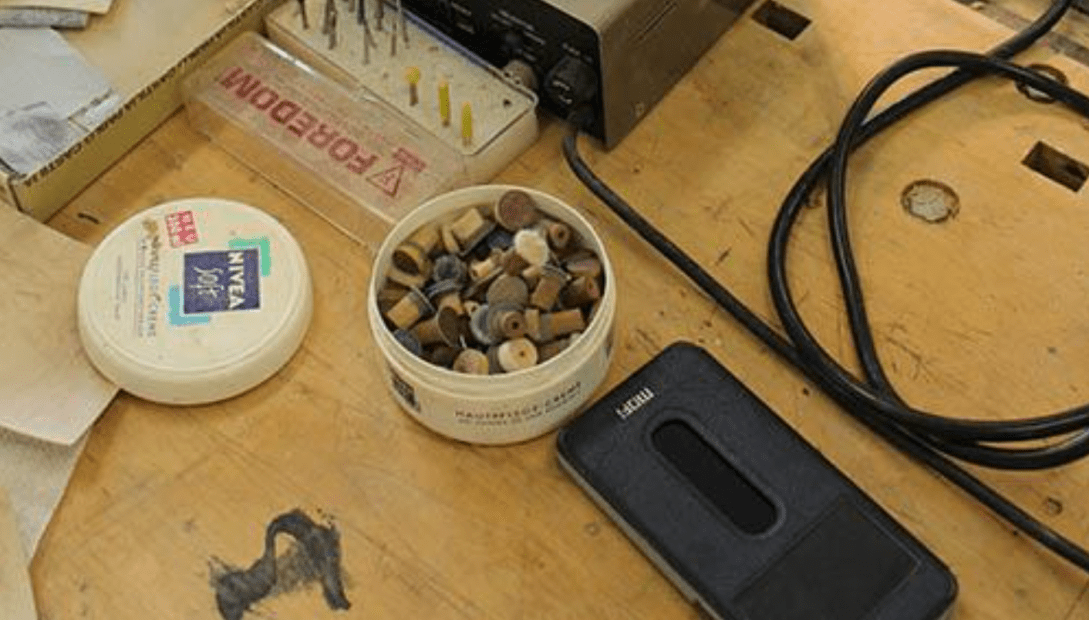
What if we could tell a different story, Seth C. Bruggeman asks. What if we looked for inspiration in craft and cognitive science and object theory? What if we could write a history of labor and embodied knowledge that shows how skill itself is a survival strategy, one that we all share because it is literally built into each of our bodies?
… Teaching Historians with Tools: Toward a Subversive Pedagogy
How does one attribute citation to the lived experience? As an editor, Adriane N. Dalton reflects on the role of affirming or diminishing the tacit knowledge of lived experiences by asking for a citation…
… When am I the tool and when am I the material?
Stephanie Frondoso explores the invisible work by artist Christina Quisumbing Ramilo, bringing focus to the invisible labor behind works of art that use discarded objects from studios, workshops and the supply stores that Ramilo frequents.
… Debris: Christina Quisumbing Ramilo
‘Handles, handled. Liking how they feel in hand is justification enough’. Judith Leemann has been collecting old handles for years – this essay examines what makes them a tool.
… to stay the grasp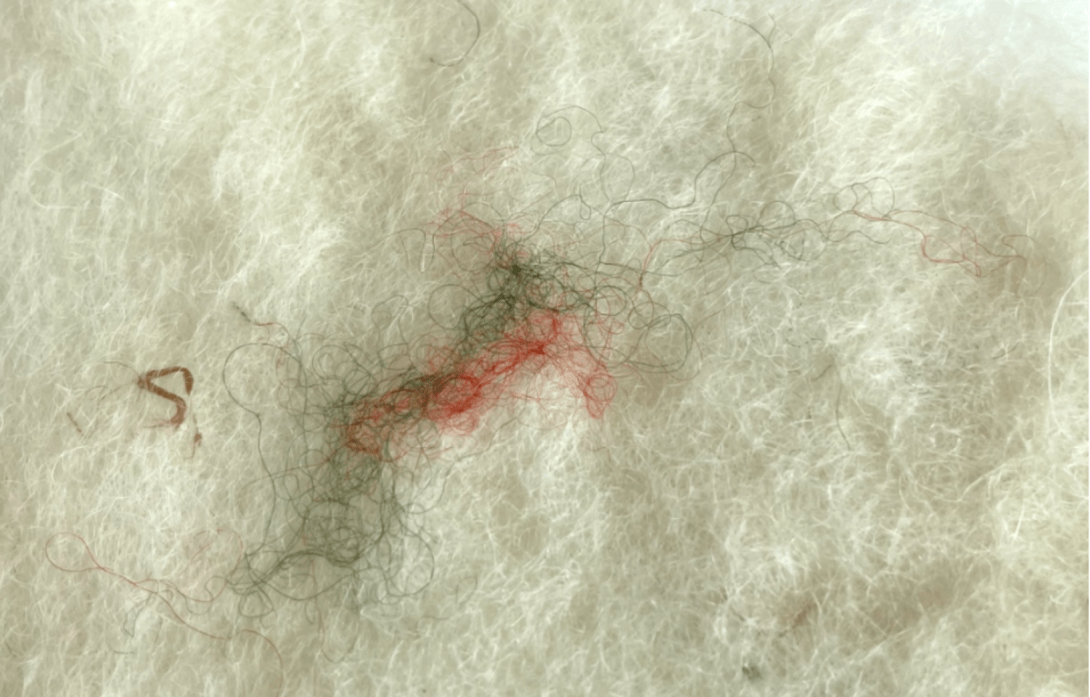
While crafting, the tool and the body unite to act, respond, and sense all the time. Bilge Merve Aktaş reflects on how this unification turns the body into a tool and the tool into the body, both embedding activeness and aliveness while facilitating interactions and translating performances.
… Bodies in felting as tools for travelling across time and space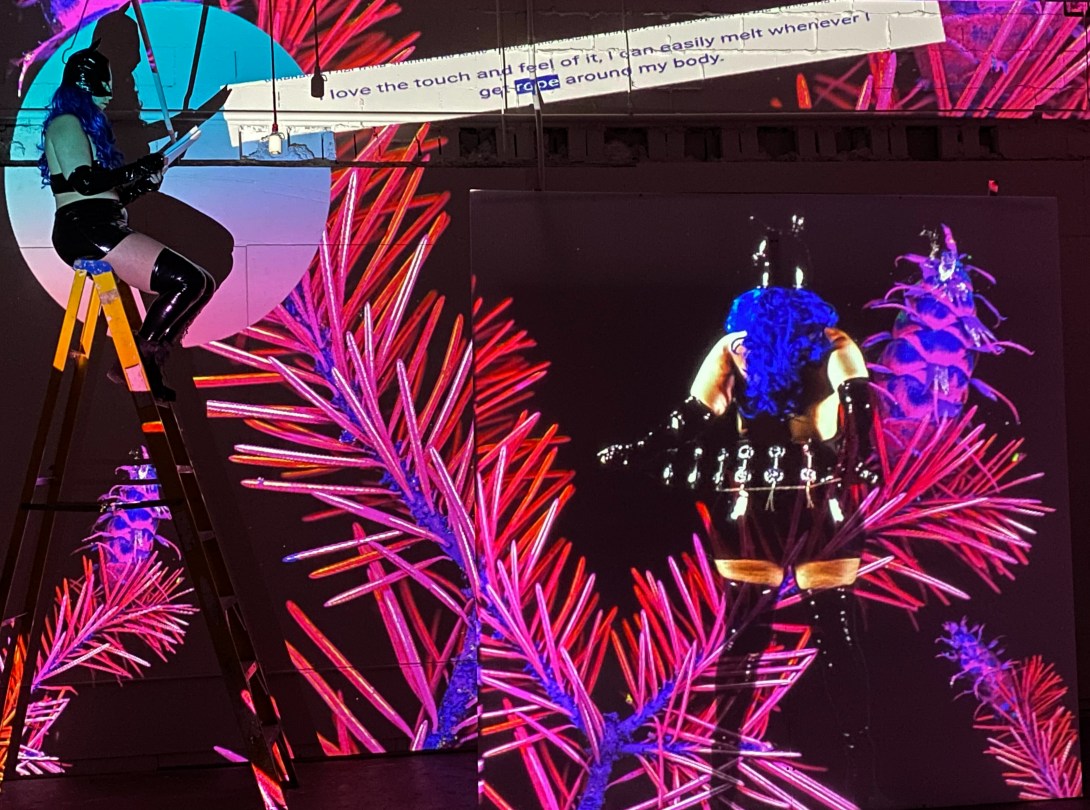
Merel Noorlander on how multiple render techniques, sound design, queer communities, sex coaches, and projection mapping transform site specific places of everyday life…
… Cruising Kink Gates: 4D as a socio-political activation
Jeff Peachey asks: What really goes on in an embodied state? Could it be reconstructed, or at least some the complexities described retrospectively? Here are some of the decisions and actions that become take place during the embodied activity of paring leather…
… On Tool Embodiment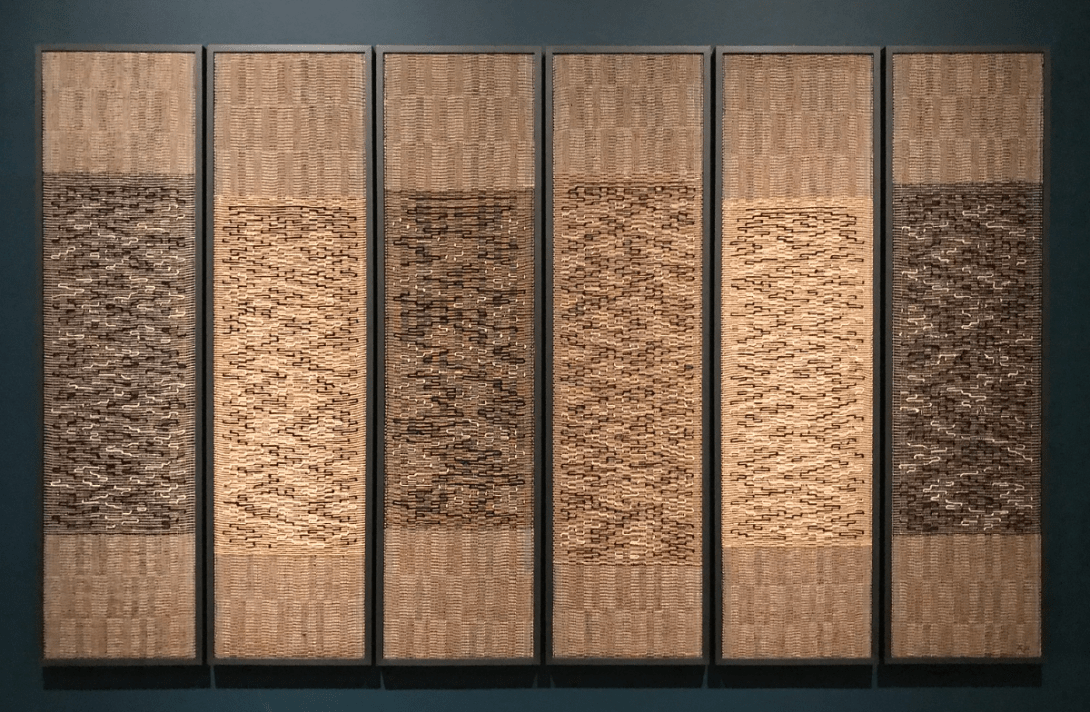
Now more than ever, the loom operates as a Trojan horse through which to insert discourse around social justice into commodity culture. Olivia Bailey investigates…
… Loom and Spindle: The polarising history of weaving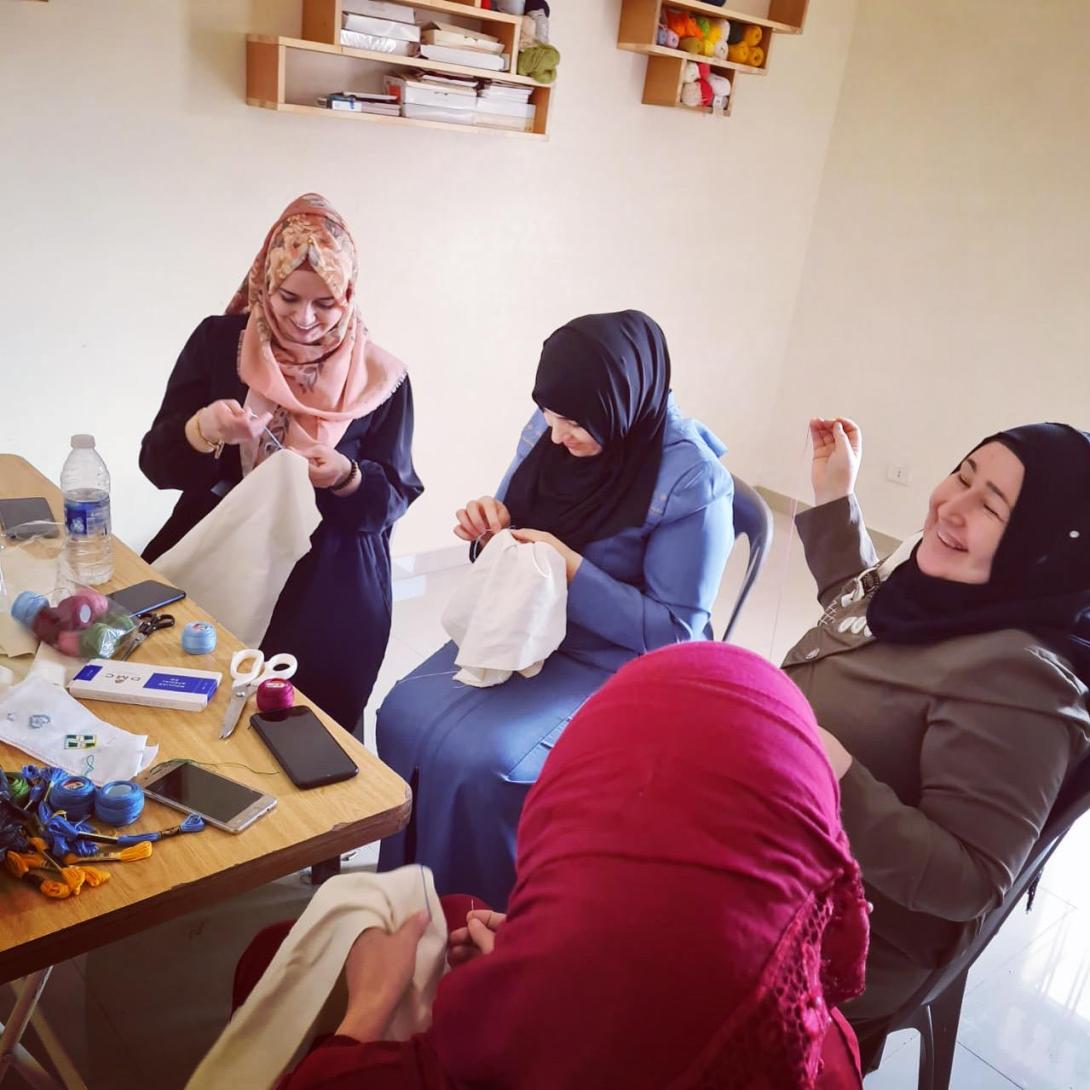
by guest editor Kate Devine
How is it that we come to know something or more particularly, how to do something? We may imbibe the words of others, learn by watching a skilled example, learn through our own trial and error, or discover something within ourselves. How then, do we pass on that knowledge? Through stories, through instruction, through play? It can be hard to teach something ‘you just know’.
… Editorial #14: Craft, Teaching, and Knowledge decoratingdissidence.com