
Three years after her first solo show at Hollybush Gardens, Ellen Lesperance returns with new work and an expanded look at the legacies of knitting and activism…
… Ellen Lesperance: Stay in the Centre of No-Man’s Land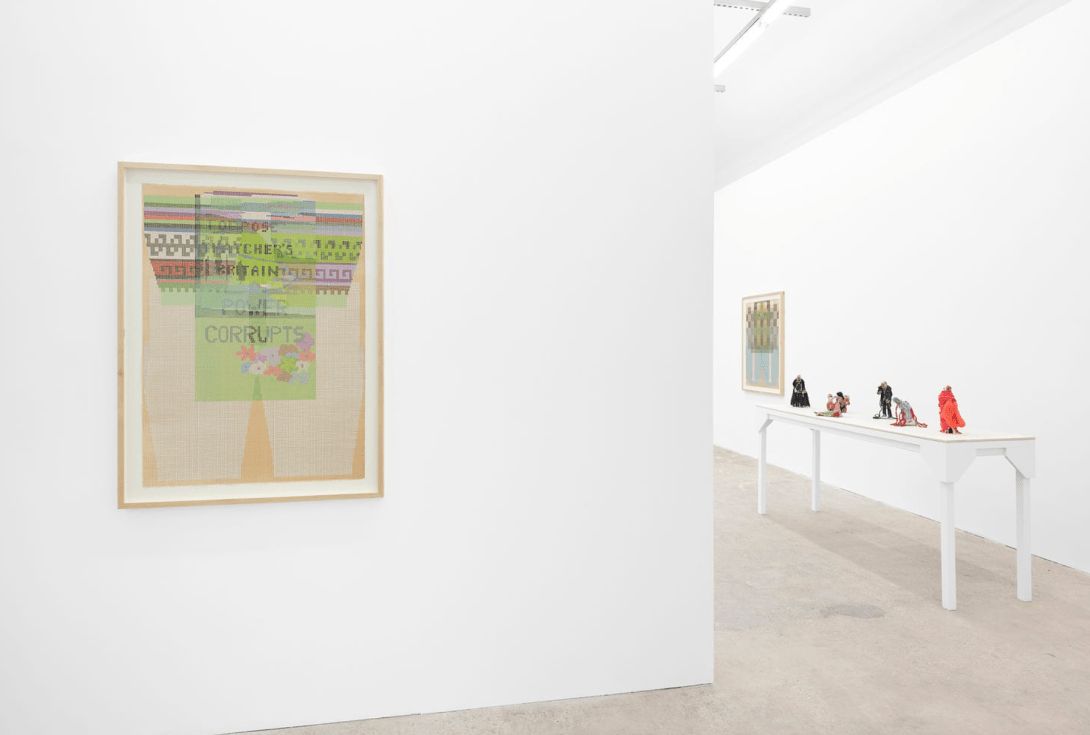
Three years after her first solo show at Hollybush Gardens, Ellen Lesperance returns with new work and an expanded look at the legacies of knitting and activism…
… Ellen Lesperance: Stay in the Centre of No-Man’s Land
This introduction is my open love letter to Glitter.
Guest edited by Graham Feyl.
… Issue Seventeen: All That Glitters
In this essay, Kendal DeBoer explores the chintzy, gilded florist foils and cellophane-wrapped rats of Thomas Lanigan-Schmidt.
… Jewel-Encrusted Rats in Ecclesiastical Garb: Art and Treasures for You, Honey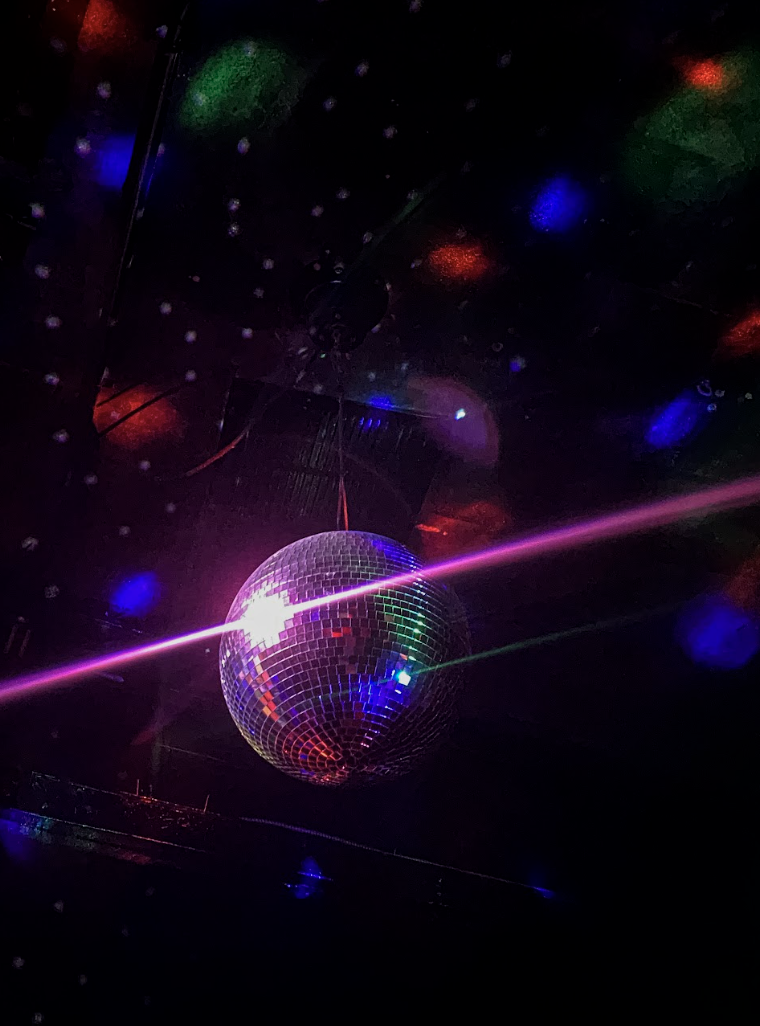
matt lambert on the power of disco balls
… Celestial to Terrestrial and the Trans Void: The Work of Andres Payan Estrada
Curator of Metalwork, Becky Knott, in conversation with award-winning silversmith Ndidi Ekubia, discussing materiality and making.
… An Interview with Silversmith Ndidi Ekubia
Scarlet Aylmer shares what draws her to all things shiny in this blog on glitter as a cultural and natural phenomenon.
… A Testament to Glitter
Shining a spotlight on AJ Roberts intimate and fluid beadwork, in The Human Chrysalis Project.
… Spotlight: AJ Roberts
Aziza Mirza shares a poem and abstract painting exploring how “all that glitters is not gold”.
cw: intimate partner violence

Lauren Bradshaw in conversation with Theo Trotter, exploring all things glitter glue, latex and embellishments.
… Studio Visit & Interview with Theo Trotter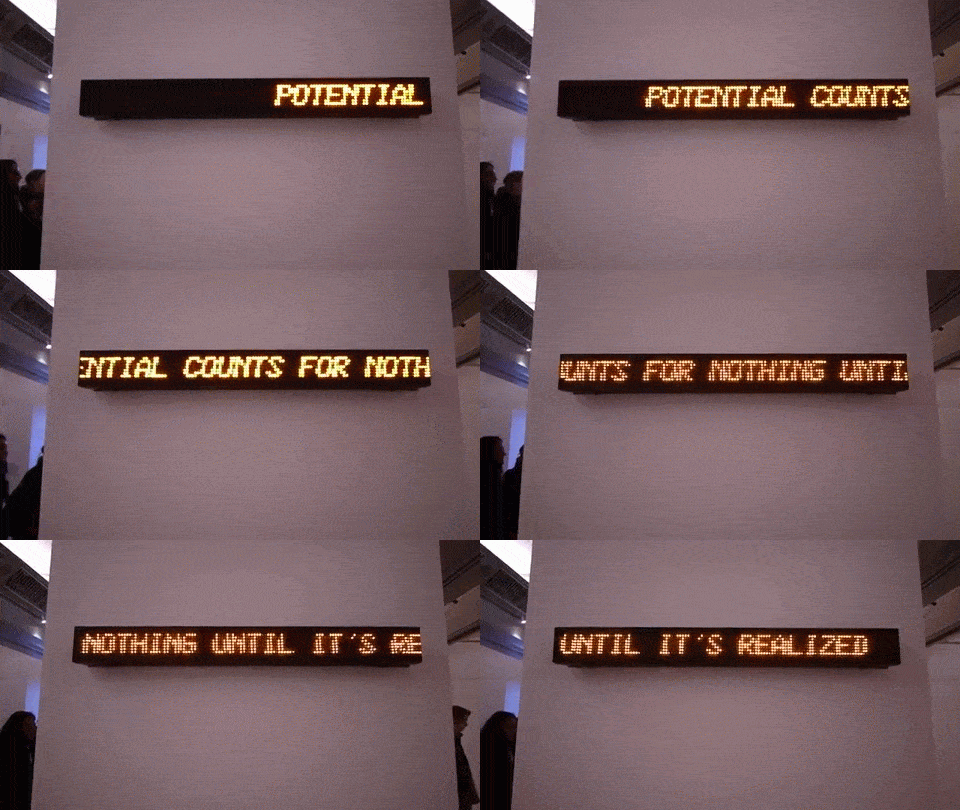
Guest edited by Janyce Denise Glasper
… Issue Sixteen: TEXT
“Home Is A Concept explores homes beyond borders through capturing people’s connection with each other and nature. These photos and prints are documentations of home as where I currently live (Vermont, U.S.A.), and where I am from (Suzhou, China).
… Spotlight: Home Is A Concept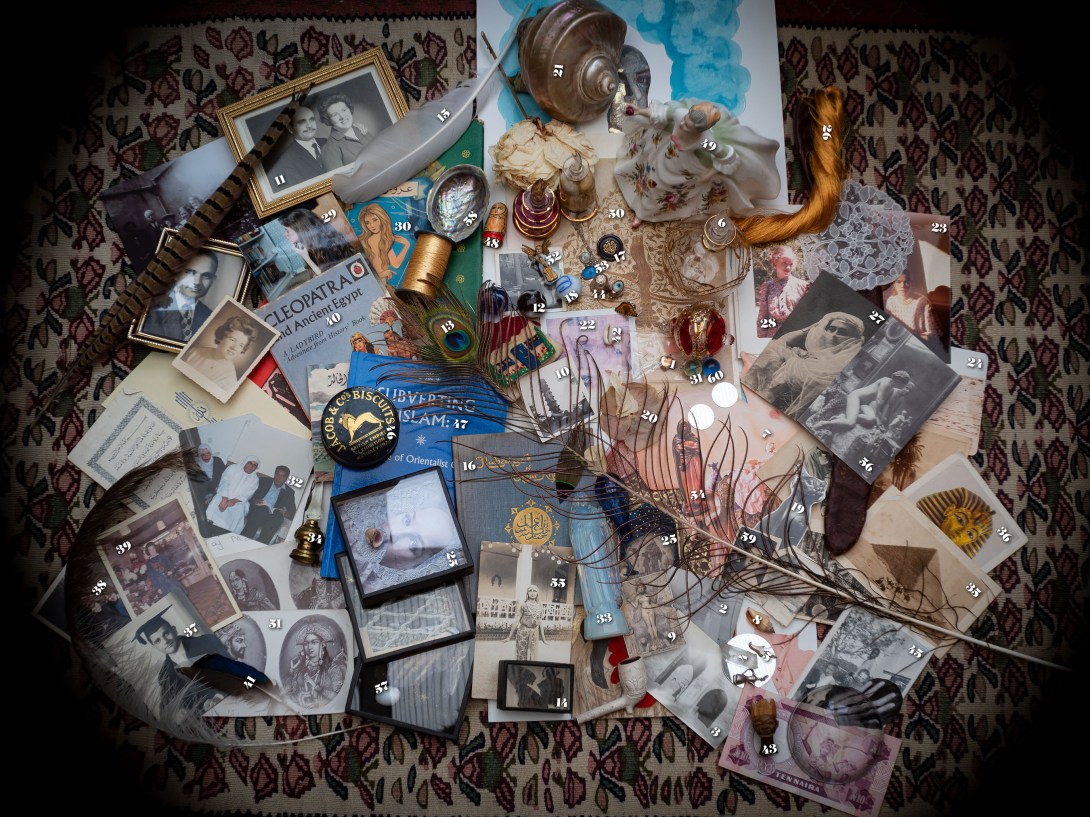
Texts, images and objects – are all made up of animate and inanimate ‘beings’ that live inside of us as well as outside, and inside of each other like nested dolls…
… Essay: Image/Text/Object & the BODY
Julia Mallory shares her series of capes, created to ‘tell stories about ‘tell stories about Black folks’ relationship to labor, leisure, and loss’…
… My Cape is Hanging Somewhere in a Museum
The relationship between text and textiles is writ large at this perfectly crafted exhibition…
… Interview: ‘Poets in Vogue’ with Sarah Parker and Sophie Oliver
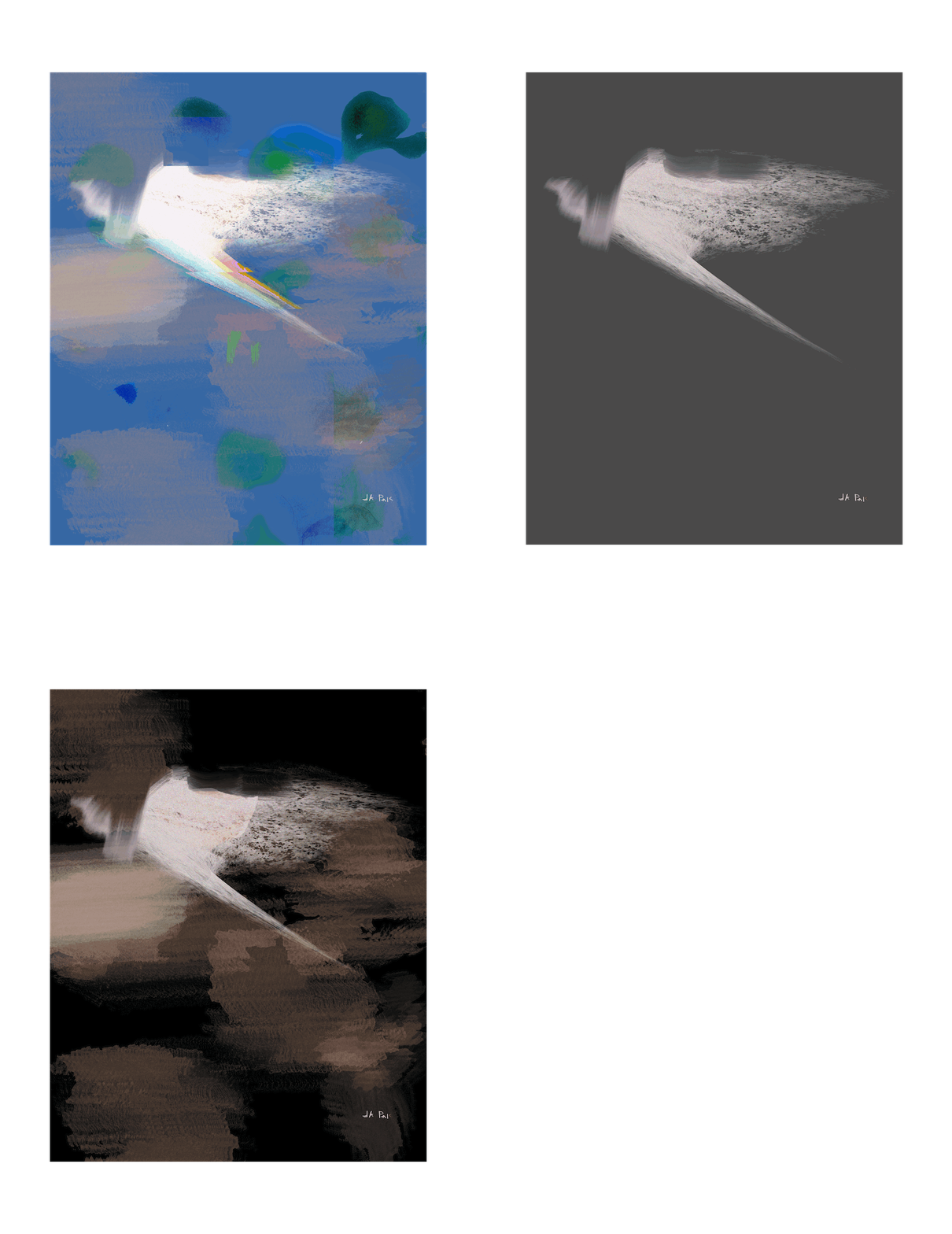
Glimpse inside of a Bruno Munari inspired poetry art book by J.A. Pak…
… Thirteen Variations of “Brief Love”
Caroline Harris dives into the experimental world of visual poetry…
… Vibrant ecosystems of poetic making
Isaac Fravashi argues that through poetry ‘Emin’s applique work builds meaning that is both personal and political’…
… The Confessions of Tracey Emin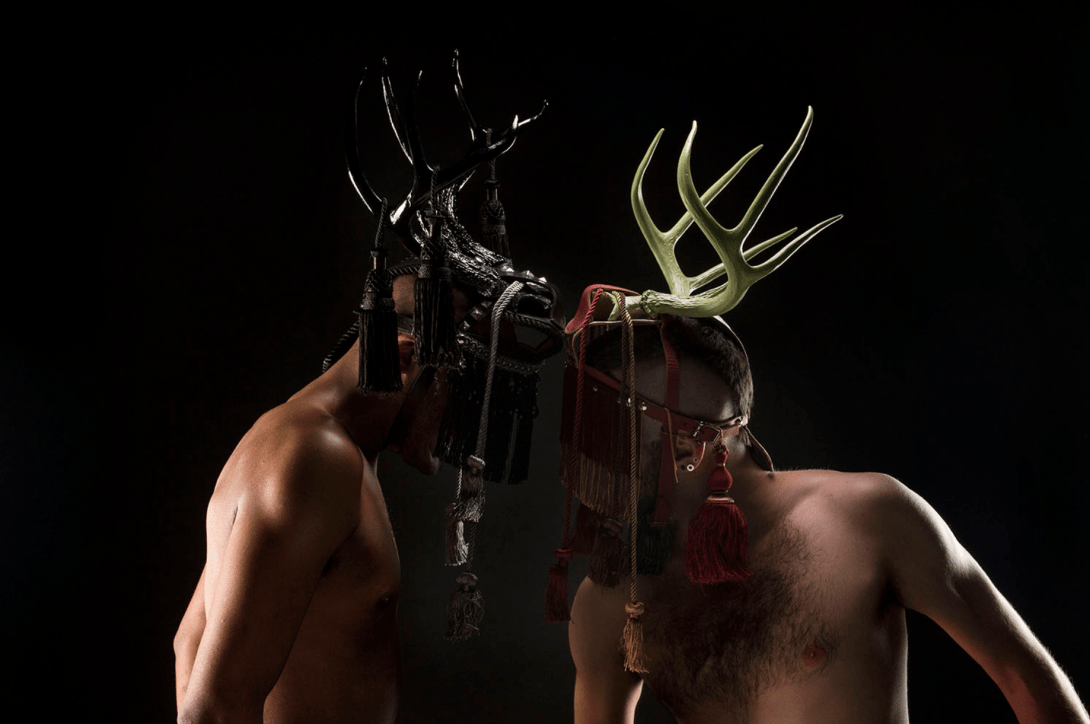
Guest edited by matt lambert
… Issue Fifteen: Tools, Use, Mastery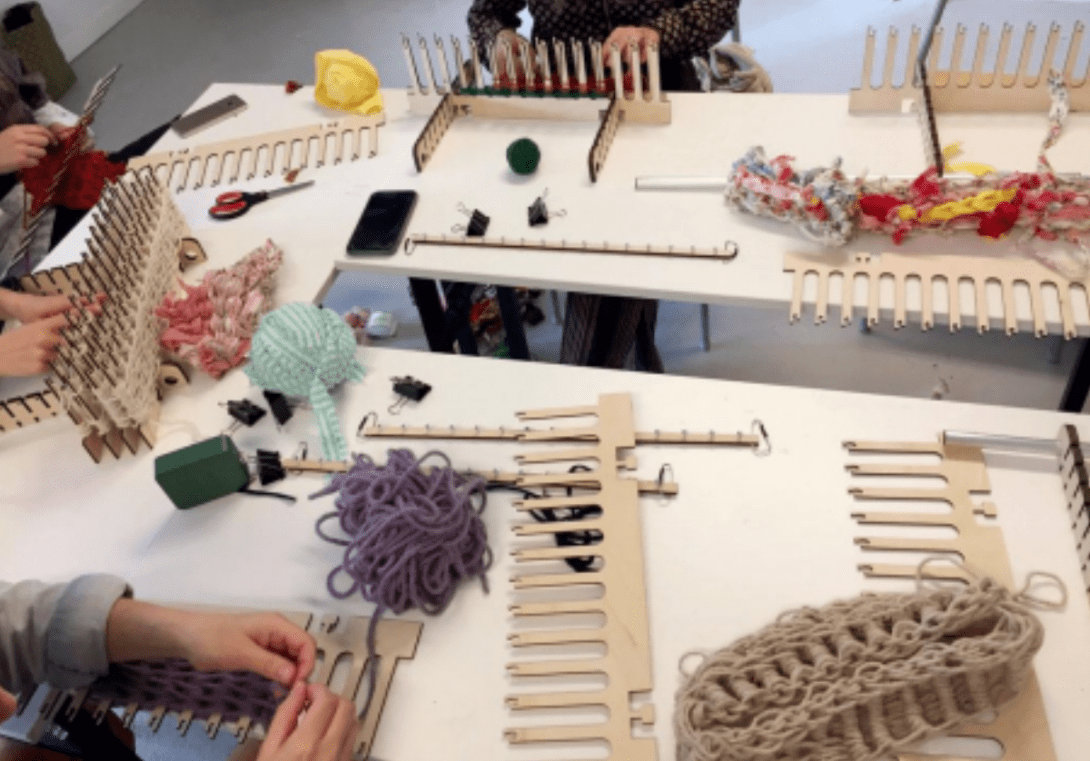
MultiWeave is a textile tool, technique and research project. The textiles that can be made with the tool are characterized by the potential to make sculptural objects. Matilda Dominique and Maja Gunn reflect on using the tool…
… A reflection on the MultiWeave tool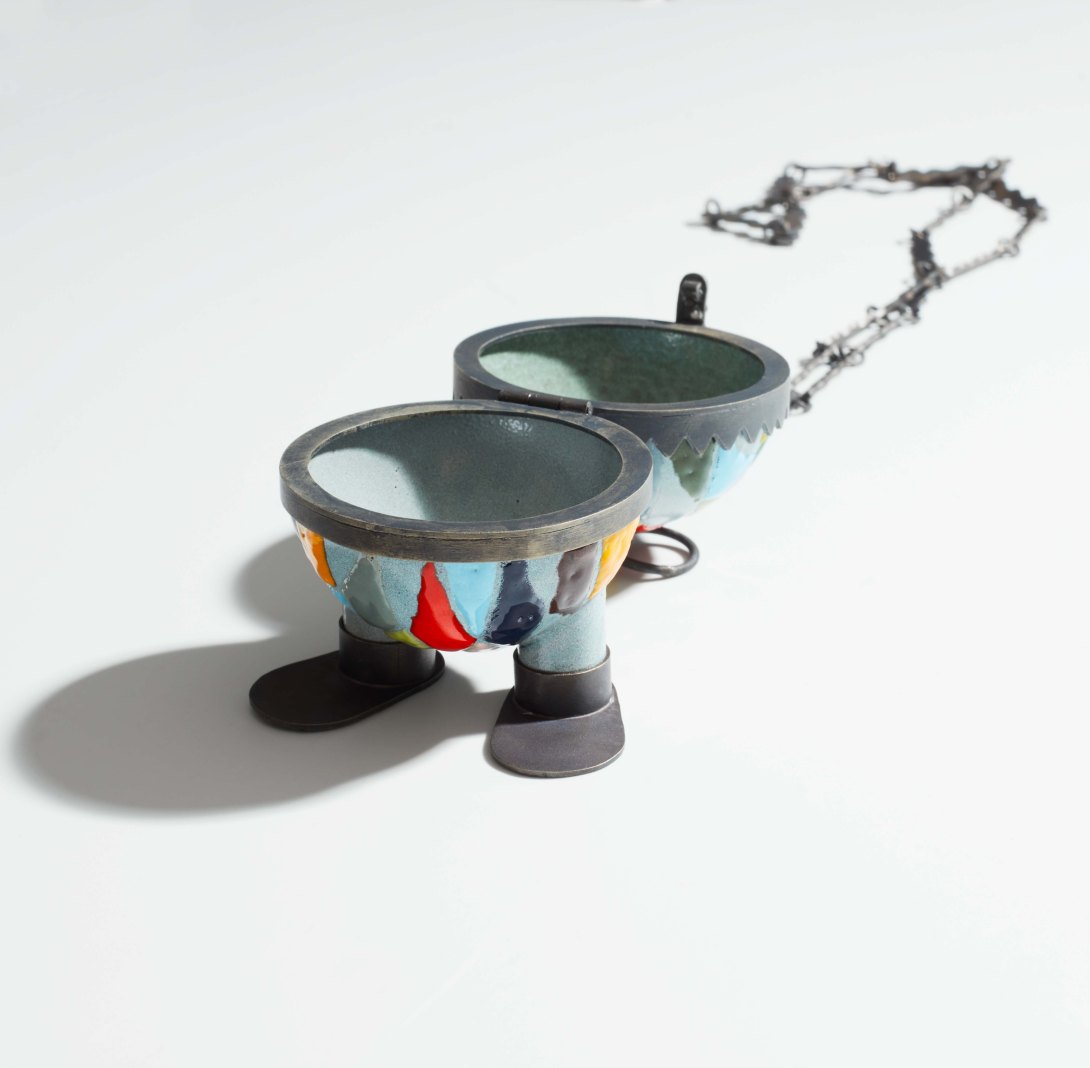
Poetic reflections on making by Aaron Decker
… Poetry: Toys / Stripes / Closet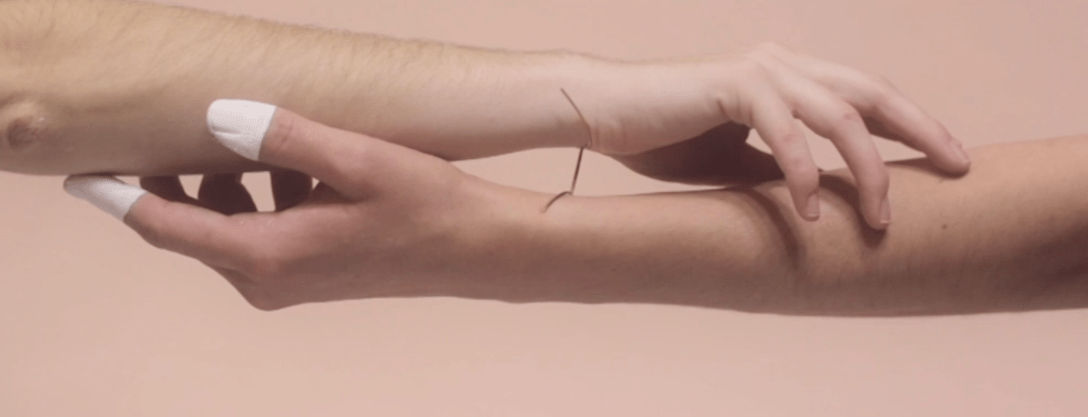
Jewelry and object making…
… Spotlight: Haydee Alonso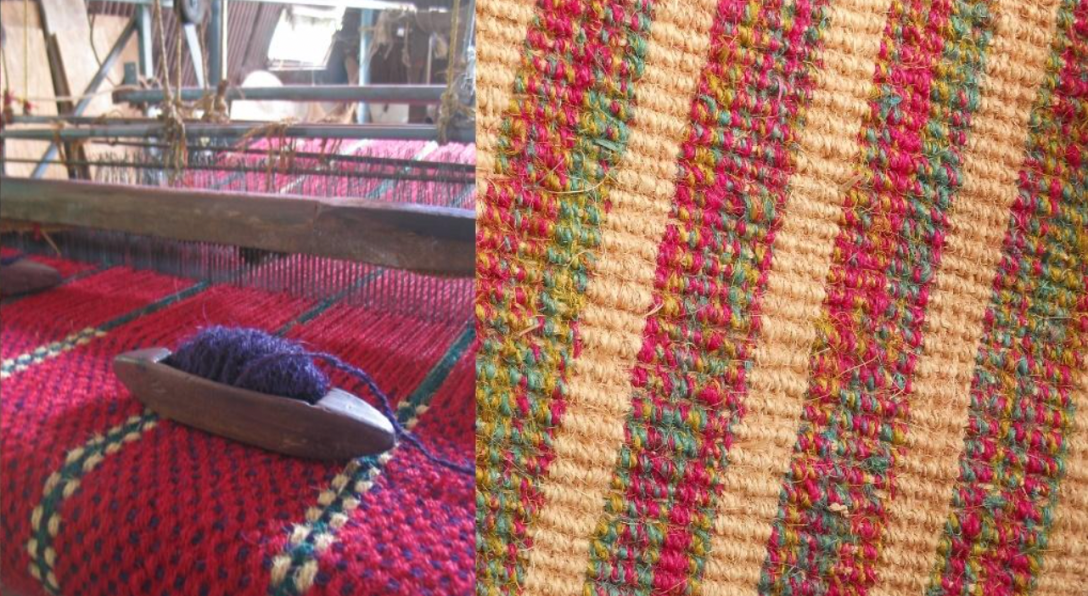
Looking at durrie (flat woven rug) weaving traditions across India, this article by Chandrashekhar Bheda finds an amazing diversity of looms and tools with varied pre-weaving processes, and corresponding ways of working on each of the different looms.
… Weaving through the traditions and techniques of rug-making in India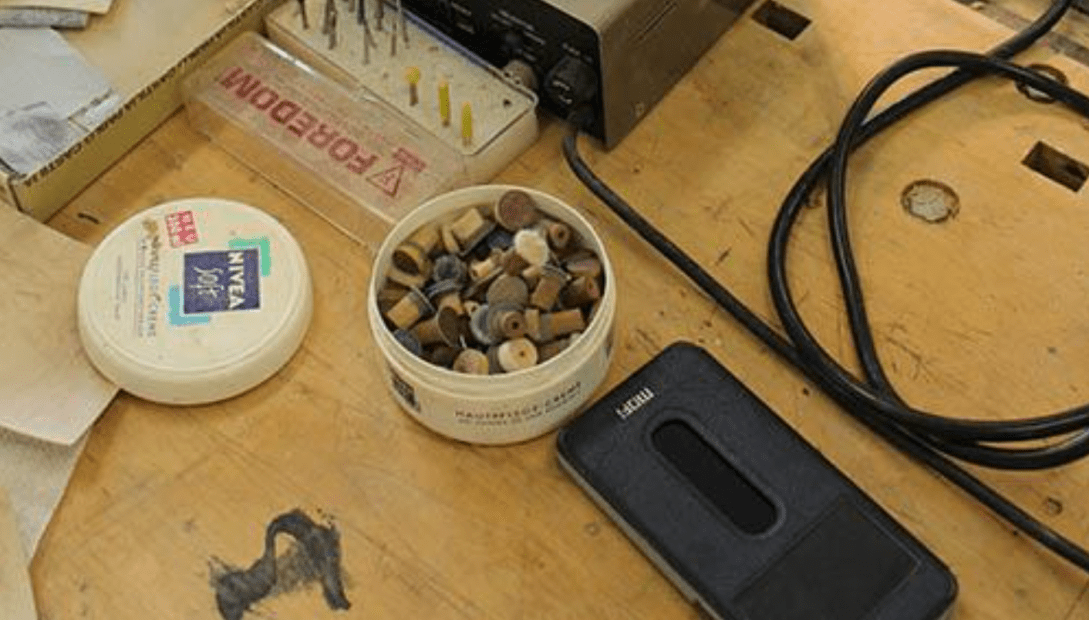
What if we could tell a different story, Seth C. Bruggeman asks. What if we looked for inspiration in craft and cognitive science and object theory? What if we could write a history of labor and embodied knowledge that shows how skill itself is a survival strategy, one that we all share because it is literally built into each of our bodies?
… Teaching Historians with Tools: Toward a Subversive Pedagogy
How does one attribute citation to the lived experience? As an editor, Adriane N. Dalton reflects on the role of affirming or diminishing the tacit knowledge of lived experiences by asking for a citation…
… When am I the tool and when am I the material?
Stephanie Frondoso explores the invisible work by artist Christina Quisumbing Ramilo, bringing focus to the invisible labor behind works of art that use discarded objects from studios, workshops and the supply stores that Ramilo frequents.
… Debris: Christina Quisumbing Ramilo
‘Handles, handled. Liking how they feel in hand is justification enough’. Judith Leemann has been collecting old handles for years – this essay examines what makes them a tool.
… to stay the grasp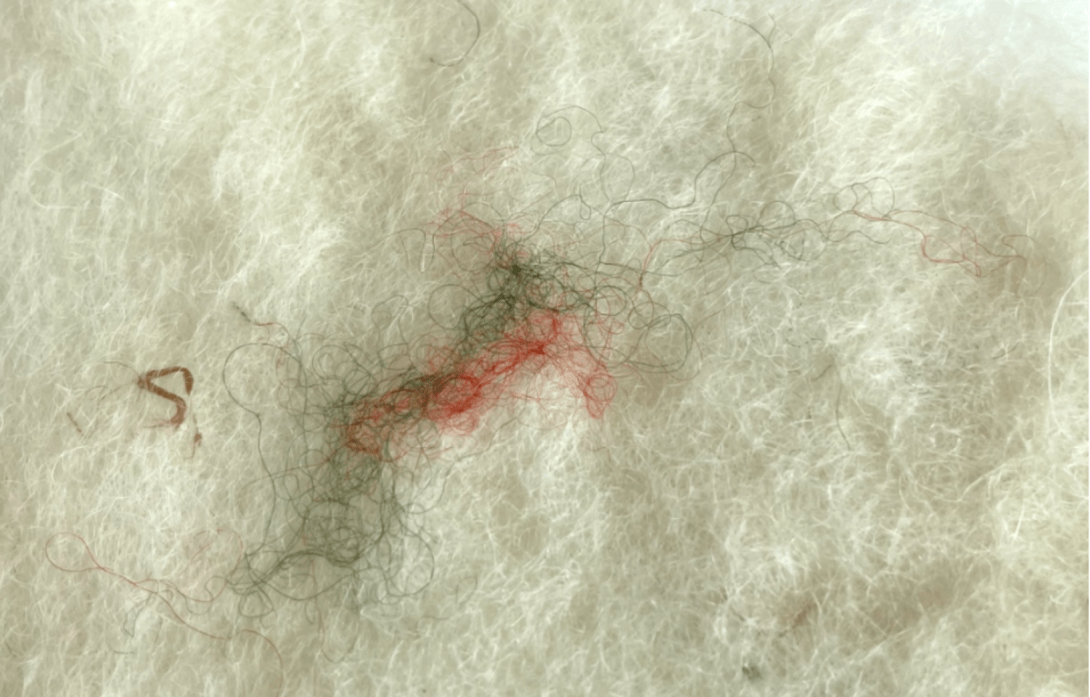
While crafting, the tool and the body unite to act, respond, and sense all the time. Bilge Merve Aktaş reflects on how this unification turns the body into a tool and the tool into the body, both embedding activeness and aliveness while facilitating interactions and translating performances.
… Bodies in felting as tools for travelling across time and space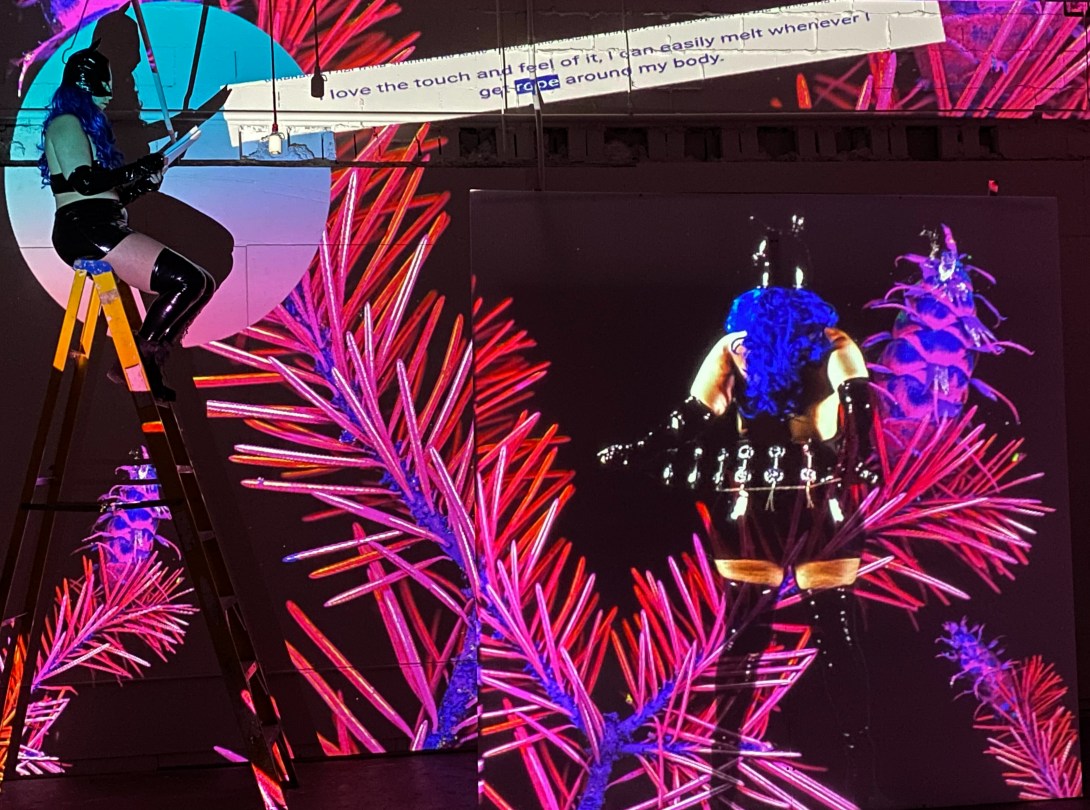
Merel Noorlander on how multiple render techniques, sound design, queer communities, sex coaches, and projection mapping transform site specific places of everyday life…
… Cruising Kink Gates: 4D as a socio-political activation
Jeff Peachey asks: What really goes on in an embodied state? Could it be reconstructed, or at least some the complexities described retrospectively? Here are some of the decisions and actions that become take place during the embodied activity of paring leather…
… On Tool Embodiment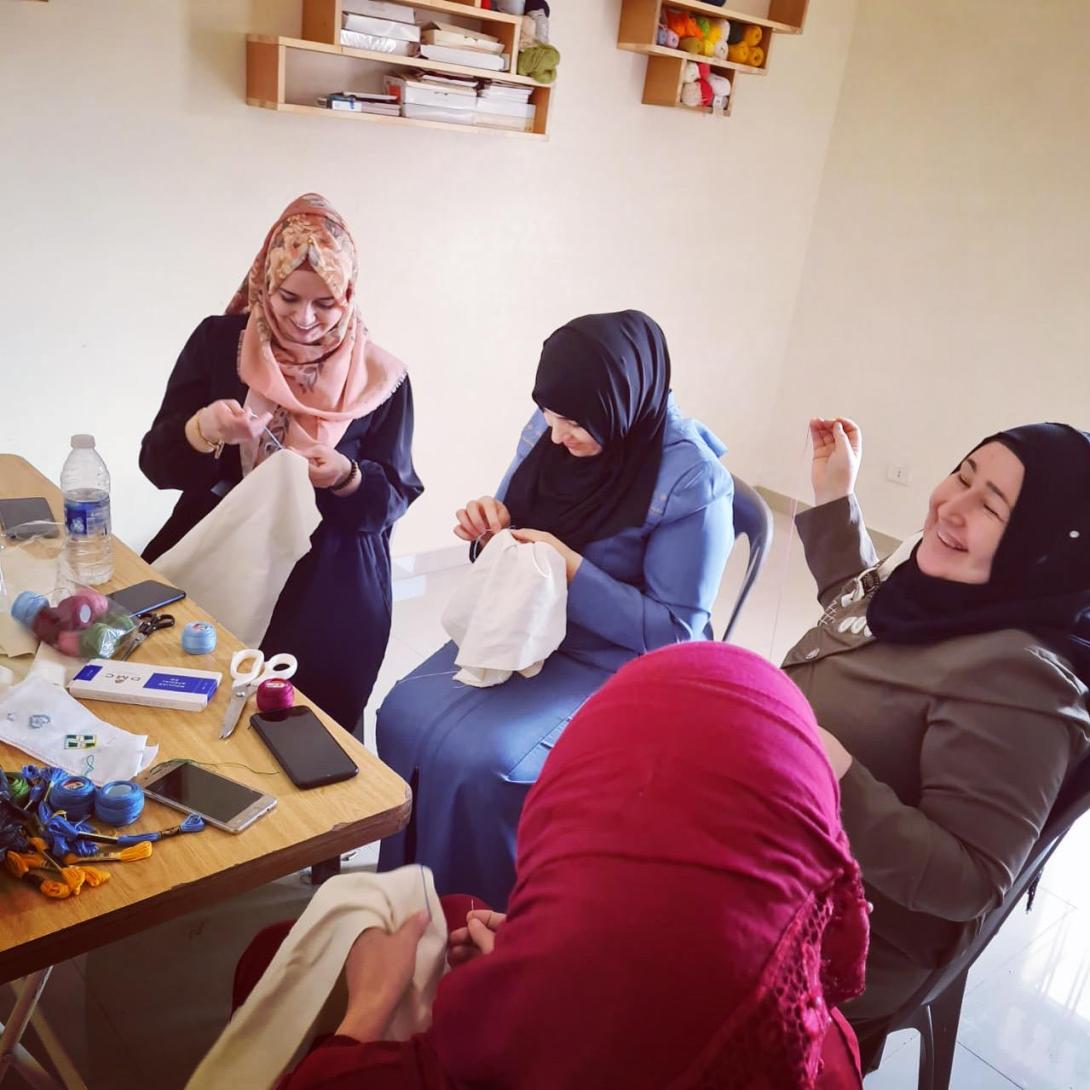
by guest editor Kate Devine
How is it that we come to know something or more particularly, how to do something? We may imbibe the words of others, learn by watching a skilled example, learn through our own trial and error, or discover something within ourselves. How then, do we pass on that knowledge? Through stories, through instruction, through play? It can be hard to teach something ‘you just know’.
… Editorial #14: Craft, Teaching, and Knowledge
Roaming the Rates Rebellion[1] is an online zine and audio walking tour created by Emily Stone and Jodie Adams. Find out more about how the zine was created first by hand, telling the story of the rebellion through handmade collage and handwritten text which was scanned into a digital format…
… Roaming the Rates Rebellion: Crafting a Digital Zine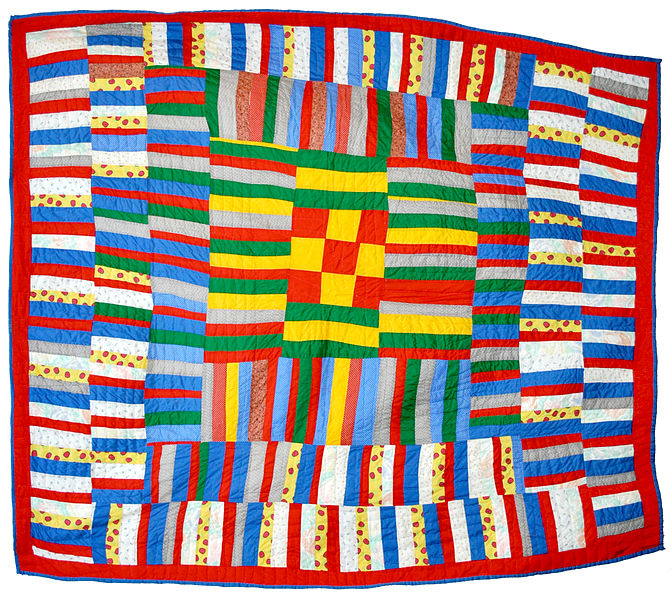
With a population today of just 275 people, Gee’s Bend is a small, isolated hamlet with a complex history. Surrounded on three sides by the Alabama river, it was once a cotton plantation, originally established by Joseph Gee and then later owned by Mark Pettway. As direct descendants of the slaves and subsequent sharecroppers who worked on the land throughout the 19th and 20th Century, the majority of those who live in Gee’s Bend continue to share the Pettway name.[1]
… Family, Community, and Inheritance in the Quilt-Making of Gee’s Bend
There are many aspects that one takes for granted when you’re a craftsperson. Drawing myself back to my first days holding a saw or understanding how pliers work, to the more complicated matter of how silver reacts under hammer and fire, I appreciate something that now comes naturally to me, but may not necessarily for others. I take care not to do the work for my students, using words to convey what to do. Sometimes it’s not easy with a craft that’s so tacit and engrained.
… Teaching Craft: a Silversmith’s Story
Craft allows you to question your materials and understand them. My work revolves around cherishing discarded garments and recognizing them as materials to make with, thus increasing their lifespan. It evokes a realisation of the distant nature of humans with their garments.
… Practice-Based: Megha Menon, the Craft of Un-Making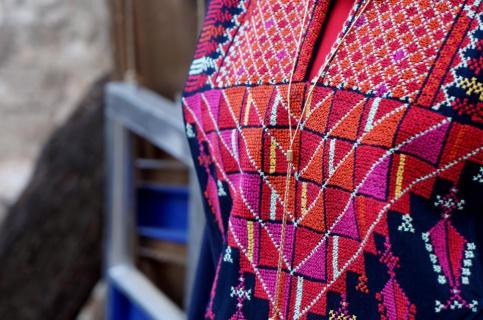
Embroidery is about making visible. It is the adornment of cloth to add meaning and value. As such, it is about identity – making a claim about who you are, and displaying that for others to see. This is both personal and political, and nowhere is this more true than in the modern Middle East.
… “Embroidery is integral to our being”: the role of Arabic tatreez in knowing who you are and where you are from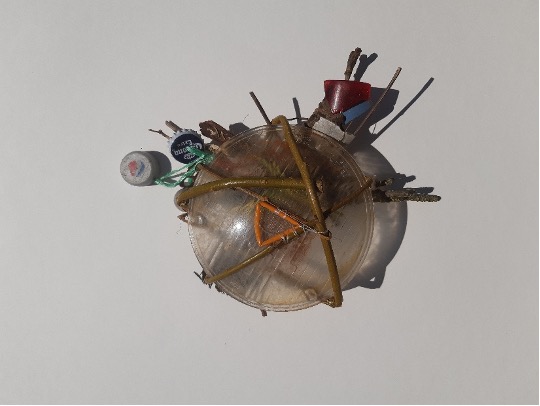
Touch has made its way into our everyday turns of phrase; it has dissolved into our vocabulary, the way we relate to the world around us. Both in this abstract sense and literally, often in the form of banal and daily gestures, touch is an invisible and inescapable part of our day-to-day. Such is the ubiquity of touch that we can choose to ignore its importance, until it is brought into question.
… An Epistemics of Touch: The Conglomerate Tactile Trash Object Project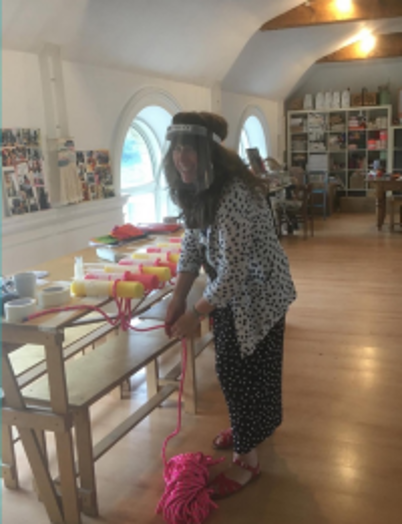
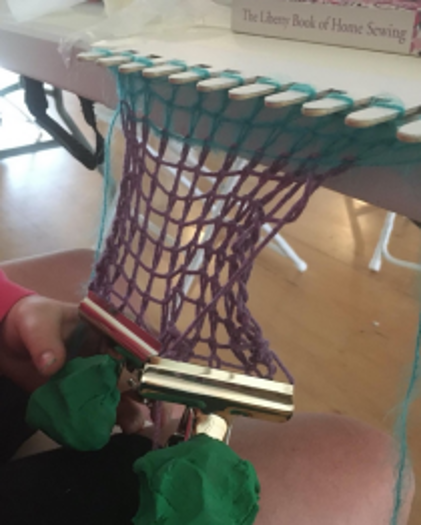
Figures 1 and 2. Elinor at a Homemade knitting machine workshop for children. Image: Elnaz Yazdani
Are you wearing something knitted today? Given the broad array of knitted fabrics on the market and the recent lockdown trend for comfort dressing, we’d say it’s very likely – but did you know your clothes were knitted? We have been involved with either teaching about or creating knitting on knitting machines for over 15 years and we often forget that once upon a time we didn’t know that so much of our clothing was knitted.
… “Put your hand up if you’re wearing something knitted!”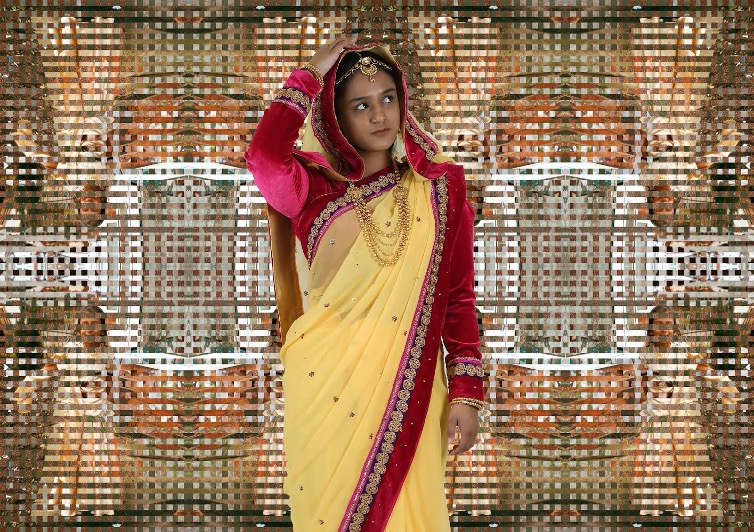
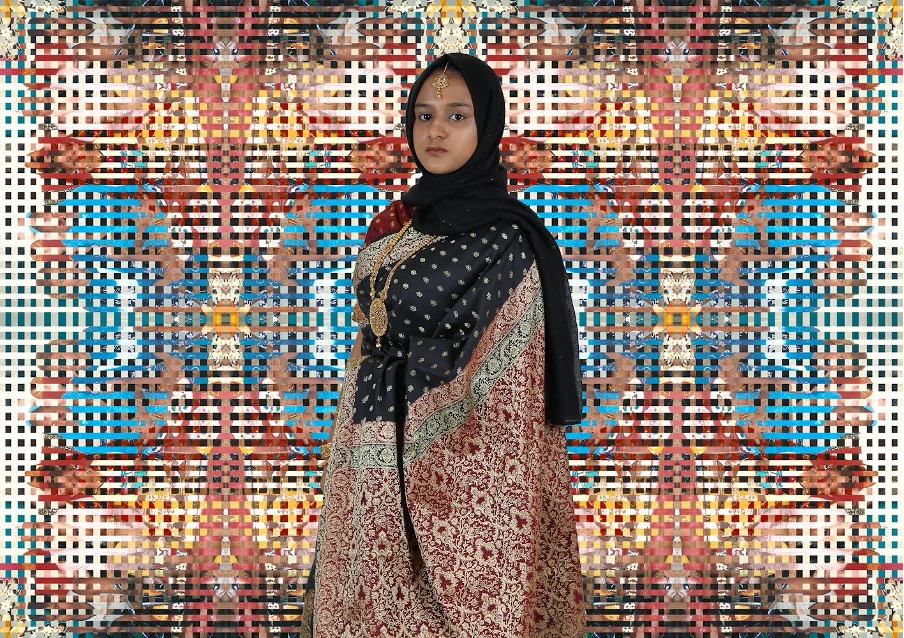
Existing on the tentative line between the mediums of photography and applied craft, lens-based artist and educator Nilupa Yasmin’s work is an intricate reconstruction of both art forms. As she pieces together personal stories from the different communities that she encounters, her work is in a constant state of unravelling, where she continues to discover her place within the warp of the world. Focusing on the two strands of community and self, her woven photographic work delicately displays that one cannot exist without the other.
… Meet Nilupa Yasmin: the Artist Using Craft and Photography to Weave Together Communities
A blazer and a skirt flutter in the wind at Pett Level beach in Hastings. On it are pictures of a man and a woman, across time, sown into the fabric and glazed with glue. Words travel through the garment in embroidery and the pink tulle skirt reads: my own darling (image right). As an image, it presents a ghostly figure, embodied by the movement in the wind and the stories woven into the textile.
… Stitching over history, memory and collective joy – Stephanie Francis-Shanahan’s living sculptures
Ýrúrarí’s mostly knit-based practice see fragments of humour, body movements and the everyday meet in wool based, wearable objects.
… Monster Sweaters: in conversation with Ýrúrarí
The iconoclastic and ultra-provocative costumes of the avant-garde visual artist, electrifying poet, model performer, and dramatically titled Baroness Elsa von Freytag-Loringhoven (1874 – 1927) were Greenwich Village legend.
… ‘Like an Empress from Another Planet’: Elsa von Freytag-Loringhoven’s couture d’ordures
Artist and art historian Kathryn Cutler-MacKenzie in conversation with artist Ben Caro.
… Ben Caro on performative masculinity, activating objects, and history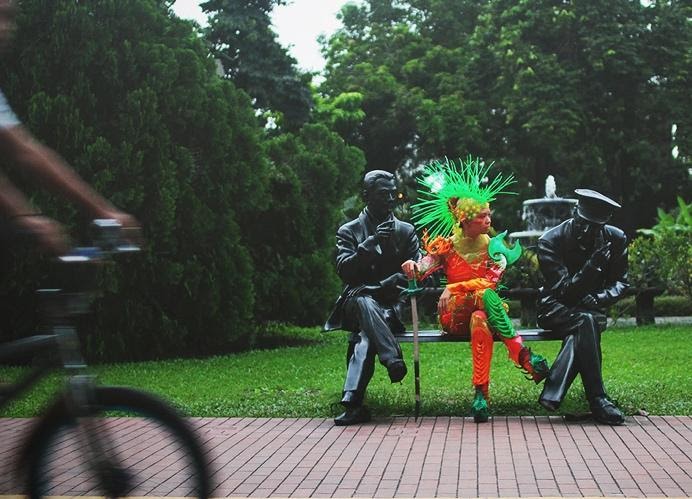
Finding out more about New’s series Aliens of Manila (2014-), a multi-disciplinary work that explores the experience of immigration and cultural displacement through costume, performance and installation.
… Dressing the Aliens of Manila: Elisabetta Garletti in Conversation with Leeroy New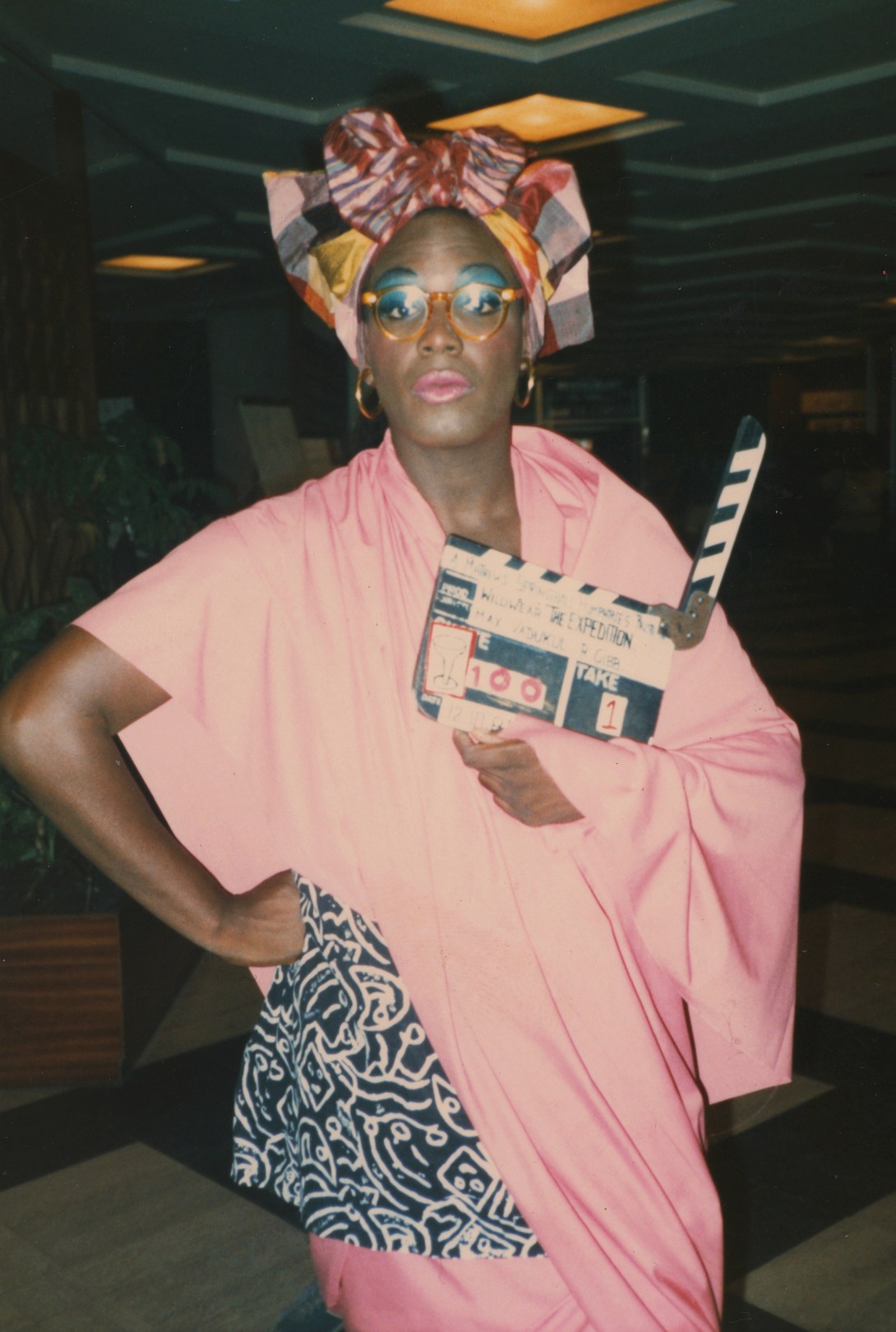
More gems on the theme of Wearable Art to read / listen / watch in the next few months….
… Recommended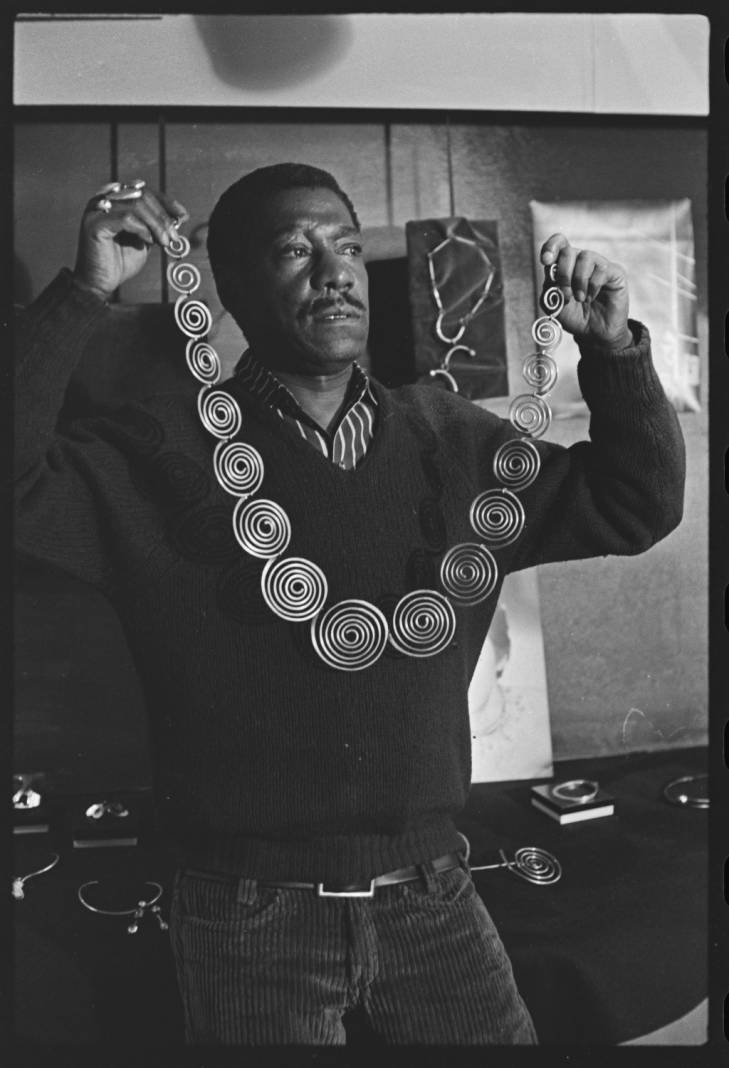
Elevating everyday materials such as glass, brass and copper, Smith’s designs revelled in the handmade aspects of jewellery making as he hammered and soldered offcuts and shaped metal into new, biomorphic forms.
… Art Smith’s Modernist Jewellery
Draped closely over its wearer, Elsa Schiaparelli’s Tears Dress is the quintessence of couture. The bias-cut gown, now an off-white, was originally pale blue and clings to the body like a second, otherworldly, skin.
… Schiaparelli, Surrealism and the Society Woman
Although Scottish artist, designer and teacher Jessie M. King (1875-1949) is probably most celebrated for her delicate and often whimsical illustrative work, this short article will focus on her clothing designs and dissemination of knowledge via her how-to-publication How Cinderella went to the Ball (1924).
… Wrapped up in a fairy tale: Jessie M. King and the production of wearable designs
Anne von Freyburg recycles wearable materials to refashion 17th century Dutch paintings. Her mantra is “I paint with materials” and she deftly manipulates fabrics into images by embroidering onto canvas. Celebrating embellishment as a tool of self-expression, these ‘paintings’ use the visual cues of fashion to suggest art is more than just a decorative object.

Each week, the Decorating Dissidence team send out a weekly newsletter! All our subscribers receive exclusive insights into the world of craft, making and design via reviews and interviews with contemporary makers, artists and curators. For paid subscribers, expect exclusive Q&As with craftmakers, curators, and creatives from around the world; plus a monthly download filled with recommendations and reading!
… Updates: Dissident Woolf, repair, and stylish homes
This September, The Women’s Art Collection opens a new exhibition: The Sleepers. Exploring the politics of rest, the collection brings together a century of works across a variety of mediums: paintings, prints and textiles. At the heart of the exhibition is a collaborative quilt, created with women from the Cambridge Women’s Resource Centre and artist Cait Moreton-Lisle, which stitches together themes of rest, resistance, and care. Below, we go behind the scenes of quiltmaking with assistant curator Laura Moseley (who also champions craft as the founder of Common Threads Press) to talk about how the quilt is both a physical symbol of comfort and a platform for collective creativity…
… Behind the Scenes: The Sleepers Quilt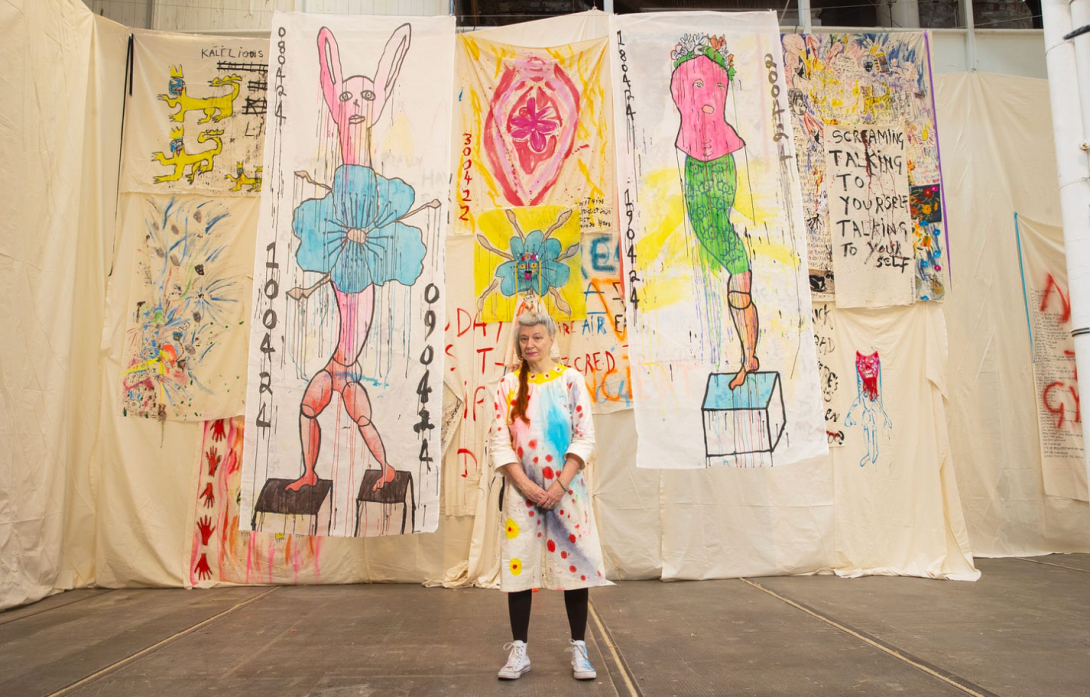
This summer, Delaine Le Bas took over the vast main gallery of Glasgow’s Tramway to create an immersive, richly textured world where multiple voices and visions collide. A space of protest, peace, pain, and communion, Le Bas’ Delainia: 17071965, Unfolding challenges the narratives that underpin our society and culture, confronting viewers with questions about their own complicity in power and prejudice that oppress marginalised communities. A slogan scrawled on the gallery wall warns ‘Beware Linguistic Engineering’, a sentiment that echoes through the exhibition, as Le Bas interrogates myths, stereotypes, and the exclusionary nature of the word.
… 🪡 Unfolding, Unpicking, Repairing: an Interview with Delaine Le Bas
Each week, the Decorating Dissidence team send out a weekly newsletter on Substack! Our subscribers receive exclusive insights into the world of craft, making and design via reviews and interviews with contemporary makers, artists and curators.
Each month, we share a comprehensive roundup of the most compelling exhibitions, exciting opportunities, and latest releases that are at the forefront of the craft-and-art intersection – so you can stay up-to-date on the dynamic world of craft from the UK and beyond. We also bring you our monthly Modernist Maker Digest, delving into the stories of twentieth-century makers and their influence today.
We set up our newsletter as a subscription model, to help us fund some of the costs of running our DIY project and, in time, to commission guest writers. We hope you can join us – free or paid!
Here’s what we shared in April:



 decoratingdissidence.com